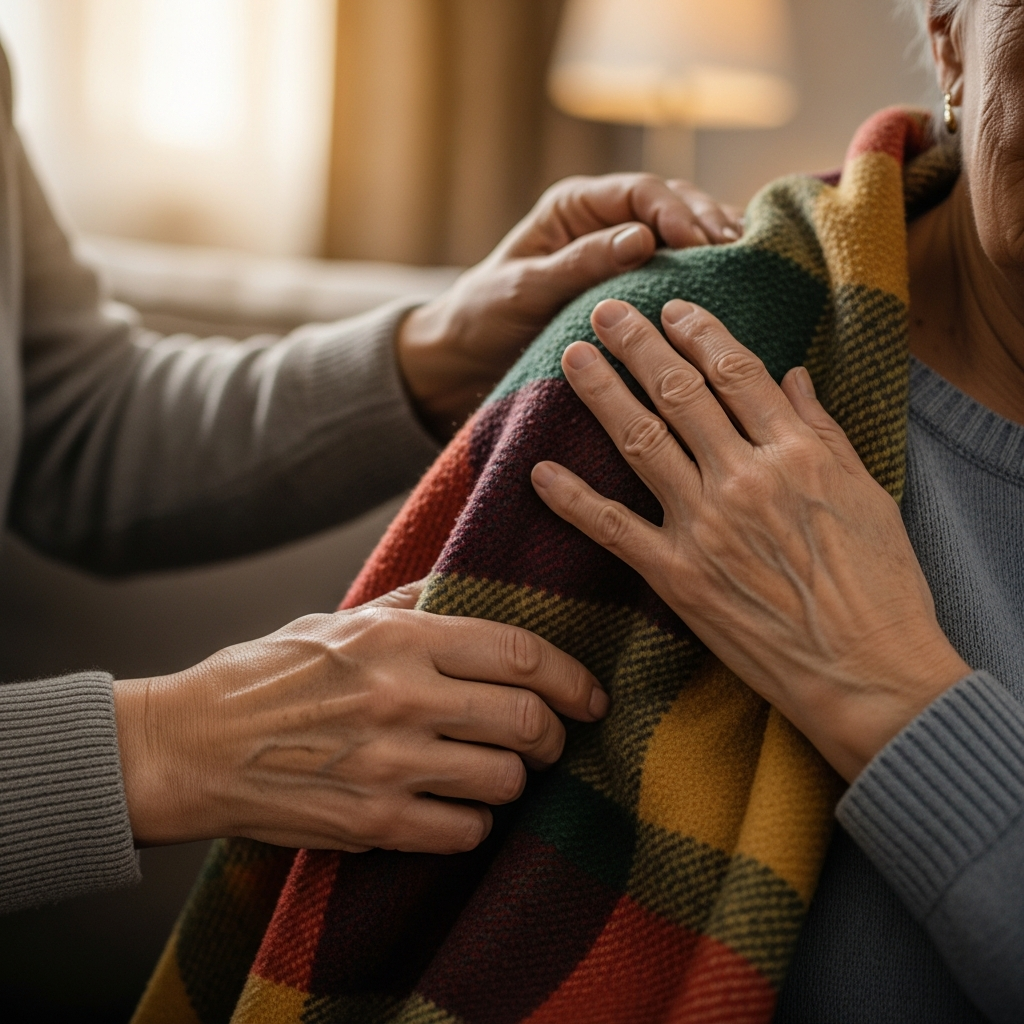
The Growing Need for Compassionate Caregivers: A Career in High Demand
In today’s rapidly evolving world, the demand for skilled and compassionate caregivers is experiencing an unprecedented surge. As our population ages and individuals increasingly seek personalized care in the comfort of their homes, the role of a caregiver has become not just essential, but a truly high-demand profession. For those considering a career change or seeking a fulfilling path, obtaining a caregiver certification offers a direct route to stable, rewarding employment with excellent growth potential.
This isn’t just about a job; it’s about making a tangible difference in the lives of others. Whether it’s assisting seniors with daily tasks, supporting individuals with disabilities, or providing comfort to those recovering from illness, caregivers play a vital role in enhancing the quality of life for many. This blog post will explore why caregiver certification is a smart investment in your future, highlighting the key benefits, the types of roles available, and how to get started in this crucial field.
Why is Caregiver Certification So Crucial?
While passion and empathy are fundamental to being a good caregiver, formal certification provides a recognized standard of knowledge, skills, and professionalism. Here’s why it’s a game-changer:
1. Enhanced Employability and Marketability
- Demonstrates Competence: Certification assures potential employers and clients that you possess the necessary training and understanding to provide safe and effective care.
- Competitive Edge: In a crowded job market, certified caregivers stand out. Employers actively seek individuals with verified qualifications.
- Broader Job Opportunities: Many agencies and healthcare facilities prioritize or even require certified caregivers for various roles.
2. Increased Earning Potential
Certified caregivers often command higher wages compared to their uncertified counterparts. This is a direct reflection of their specialized training and the trust placed in their abilities. As you gain experience and potentially further certifications, your earning potential can continue to grow significantly.
3. Greater Confidence and Skill Development
Certification programs equip you with essential skills, including:
- Personal Care Skills: Assisting with bathing, dressing, grooming, and feeding.
- Health Monitoring: Taking vital signs, recognizing changes in health status, and reporting them appropriately.
- Safety Procedures: Fall prevention, infection control, and emergency response.
- Communication and Interpersonal Skills: Effectively communicating with clients, families, and healthcare professionals.
- Understanding of Specific Conditions: Learning about common age-related conditions, chronic illnesses, and disabilities.
This comprehensive training builds confidence, allowing you to provide care with greater expertise and assurance.
4. Professional Recognition and Credibility
A certification signifies a commitment to the profession and adherence to ethical standards. It lends credibility to your services and builds trust with those you care for.
High-Demand Job Roles for Certified Caregivers
The versatility of caregiver skills opens doors to a wide array of rewarding positions. Here are some of the most in-demand roles:
1. Home Health Aide (HHA)
Home Health Aides provide essential medical and personal care services to clients in their homes. This can include administering medication, dressing wounds, monitoring vital signs, and assisting with personal hygiene. HHAs often work under the supervision of a registered nurse or other healthcare professional.
2. Certified Nursing Assistant (CNA)
CNAs work in various healthcare settings, including hospitals, nursing homes, assisted living facilities, and sometimes in home care. Their duties are similar to HHAs, focusing on direct patient care, assisting with daily living activities, and ensuring patient comfort and safety. The certification process for CNAs is often more rigorous.
3. Personal Care Aide (PCA)
Personal Care Aides primarily focus on non-medical assistance. This includes help with bathing, dressing, meal preparation, light housekeeping, running errands, and providing companionship. PCAs are crucial for enabling individuals to maintain independence in their own homes.
4. Geriatric Care Assistant
With the growing elderly population, specialized caregivers for seniors are in high demand. Geriatric care assistants understand the unique needs of older adults, including managing common age-related conditions, cognitive changes, and ensuring a safe and supportive environment.
5. Respite Care Provider
Respite care offers temporary relief for primary caregivers. Respite providers step in to care for an individual for short periods, allowing family caregivers to rest, attend to personal matters, or simply recharge. This role requires flexibility and a compassionate approach.
6. Live-In Caregiver
For individuals requiring continuous support, live-in caregivers provide 24/7 assistance. They reside with the client, offering a constant presence and a wide range of care services. This is a highly demanding but also deeply rewarding role, fostering strong relationships.
How to Obtain Your Caregiver Certification
The pathway to becoming a certified caregiver is accessible and typically involves a few key steps:
1. Research Certification Requirements
Certification requirements can vary by state and by the specific type of certification (e.g., CNA, HHA). It’s essential to research the regulations in your area. Many states have specific training hours and examinations required.
2. Enroll in an Accredited Training Program
Look for reputable training programs offered by community colleges, vocational schools, or specialized healthcare training centers. These programs cover the necessary curriculum and prepare you for the certification exam.
- Program Duration: Training programs can range from a few weeks to several months, depending on the certification level.
- Curriculum: Expect to learn about anatomy, physiology, basic medical procedures, patient rights, ethics, and safety protocols.
3. Pass the Certification Exam
Upon completing your training, you will typically need to pass a standardized exam, which often includes both a written or computer-based test and a practical skills assessment. Passing this exam officially makes you a certified caregiver.
4. Background Checks and Health Screenings
Most employers and certification bodies will require you to undergo a criminal background check and provide proof of certain vaccinations or health screenings to ensure the safety of clients.
5. Continuing Education
To maintain your certification and stay current with best practices, many certifications require ongoing continuing education credits. This commitment to professional development further enhances your skills and career prospects.
Building a Successful Caregiving Career
Beyond certification, several factors contribute to a thriving career in caregiving:
- Develop Strong Communication Skills: Being able to listen attentively, explain procedures clearly, and empathize with clients and their families is paramount.
- Cultivate Patience and Empathy: Caregiving requires a deep well of patience and the ability to understand and share the feelings of others.
- Prioritize Physical and Emotional Well-being: Caregiving can be physically and emotionally demanding. Learning self-care strategies is crucial for long-term sustainability.
- Embrace Lifelong Learning: The healthcare field is constantly evolving. Stay curious, seek out new training opportunities, and adapt to new methods and technologies.
- Build a Professional Network: Connect with other caregivers, healthcare professionals, and agencies. Networking can lead to job opportunities and valuable support.
The Future is Care: Why Now is the Time to Get Certified
The demand for skilled and compassionate caregivers is not a fleeting trend; it’s a fundamental societal need that will only continue to grow. Investing in a caregiver certification is a strategic move that offers:
- Job Security: The need for caregivers is consistent, providing a stable career path.
- Meaningful Work: Experience the profound satisfaction of making a direct, positive impact on someone’s life.
- Career Growth: Opportunities abound for advancement, specialization, and entrepreneurship within the caregiving sector.
- Flexibility: Depending on your chosen path, you can often find flexible scheduling options.
If you’re looking for a career that is in high demand, offers genuine fulfillment, and provides excellent opportunities for growth, then pursuing a caregiver certification is an excellent choice. It’s an investment in yourself, your future, and in the well-being of your community.
Ready to make a difference? Explore caregiver certification programs in your area today and unlock a rewarding career path!