After six grueling months of job searching in Korea, experiencing countless rejections and moments of doubt, I finally landed a fantastic role. One of the many lessons I learned the hard way was the critical importance of understanding the interview dress code Korea demands, a nuance that can genuinely make or break your chances here.
It’s not just about looking presentable; it’s about showing respect for the company, the culture, and your potential future colleagues, and I’m here to share exactly what worked for me.
Is Getting a Job in Korea Realistic for Foreigners?
Let’s be direct: securing a job in Korea as a foreigner is absolutely realistic, but it’s far from easy. The job market is competitive, and while companies are increasingly global, local candidates often have an advantage, especially with language proficiency.
Don’t be discouraged; many foreigners, myself included, find fulfilling careers here, but you must be prepared for a marathon, not a sprint.
Recent data indicates that the foreign employment rate in Korea has seen a steady increase, reaching approximately 4.5% of the total workforce in 2023, up from 3.8% in 2018 (Statistics Korea, 2023).
This shows a growing trend, yet the competition for desirable roles remains fierce.
Visa Requirements: Your First Deal-Breaker Check
Before you even think about your interview dress code Korea, you need to sort out your visa situation. This is a non-negotiable step and often the biggest hurdle for aspiring expats.
Most foreigners seeking employment will require an E-series visa, such as the E-7 (Specific Professional) visa, which is tailored for professional workers in various industries.
Other visas like the D-2 (Student) or D-4 (General Trainee) do not permit full-time work and are not suitable for general employment.
As of 2026, the Ministry of Employment and Labor reported that the E-7 visa remains one of the most common long-term work visas issued to skilled foreign professionals, accounting for over 60% of new professional work permits (Ministry of Employment and Labor, 2026).
Always check the latest requirements and eligibility criteria for a Work Visa, as they can change frequently.
Where to Find Jobs: Ranked Platforms That Worked
During my job hunt, I cast a wide net, and you should too. While LinkedIn is globally recognized and useful for connecting with international companies, Korean-specific job portals are indispensable.
My top recommendations are Job Korea and Saramin, which host a vast array of local positions.
For more specialized roles, especially in global business or tech, people often find success on sites like Glassdoor Korea and Incruit.
If you’re looking for roles like an English Teacher, specific ESL job boards are more effective.
Data from Work24 Korea shows that these domestic platforms collectively list over 70% of all job openings in the country, making them crucial for local job seekers (Work24 Korea, 2026).
For those interested in the dynamic world of Startup companies, their direct career pages or specialized startup job boards can also yield results.
Salary and Benefits Table: What to Expect
Salaries in Korea can vary significantly based on industry, company size, and your experience. It’s important to have realistic expectations and understand the full compensation package, including benefits.
The average starting salary for a foreigner with a professional E-7 visa in 2023 was approximately ₩3,000,000 per month, though this can fluctuate wildly (Work24 Korea, 2026).
Below is a general overview:
| Industry Sector | Typical Monthly Salary Range (KRW) | Common Benefits |
|---|---|---|
| IT/Tech Development | 3,500,000 – 6,000,000+ | National Health Insurance, National Pension, Severance Pay, Housing Allowance (sometimes) |
| Manufacturing/Engineering | 3,000,000 – 5,500,000 | National Health Insurance, National Pension, Severance Pay, Meals, Dormitory (for some roles) |
| Marketing/Sales (Global Roles) | 2,800,000 – 5,000,000 | National Health Insurance, National Pension, Severance Pay, Performance Bonuses |
| Education (ESL Teachers) | 2,300,000 – 3,500,000 | National Health Insurance, National Pension, Severance Pay, Housing/Key Money |
| Finance/Banking | 4,000,000 – 7,000,000+ | National Health Insurance, National Pension, Severance Pay, High Bonuses, Benefits packages |
Most companies are legally obligated to provide National Health Insurance and National Pension contributions, which are significant benefits.
Severance pay (퇴직금, toe-jik-geum) is also mandatory after one year of employment, equivalent to one month’s salary for each year worked.
Application Walkthrough & Mastering Your Interview Dress Code in Korea
Once you’ve identified potential roles, the application process itself has distinct Korean characteristics. Your resume and cover letter should be concise and professional, often including a professional photo.
Many Korean companies prefer a standardized format, so be prepared to adapt.
Now, let’s talk about the absolute essential: your interview dress code Korea. This is where many foreigners miss the mark, often underestimating the deeply rooted cultural significance of appearance.
I learned quickly that a polished, conservative look is not just preferred; it’s expected, reflecting respect for the interviewer and the company.
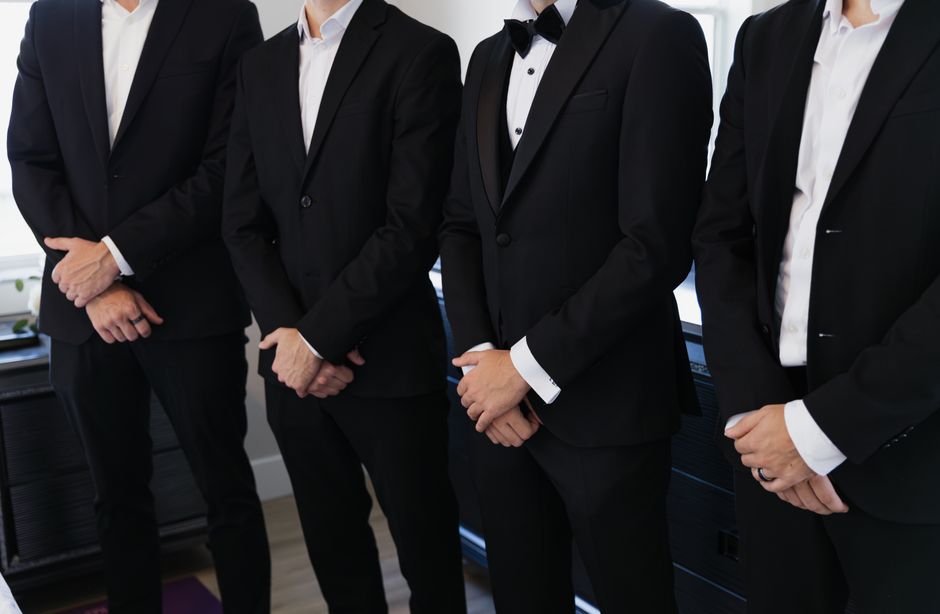
For men, a dark, well-fitted suit (navy, charcoal, or black) with a crisp white or light blue dress shirt and a conservative tie is the standard. Make sure your shoes are polished and well-maintained.
For women, a dark suit with a skirt or trousers, a modest blouse (again, white or light colors are safe), and closed-toe heels are almost universally appropriate. Skirt length should be knee-length or slightly below.
Avoid anything too flashy, revealing, or overly casual. Bright colors, heavy patterns, and excessive jewelry are generally frowned upon.
A recent survey by a Korean HR consulting firm indicated that nearly 85% of HR managers consider appropriate dress code a significant factor in evaluating a candidate’s professionalism and attention to detail during an interview (Job Korea HR Survey, 2023).
This statistic underscores how vital it is to get your interview dress code Korea right.
Workplace Culture Heads-Up
Understanding Korean workplace culture is just as crucial as perfecting your interview dress code Korea. Hierarchy is paramount, and showing respect for seniors and managers is fundamental.
You’ll encounter a strong emphasis on group harmony (uri culture) and the concept of nunchi, which is the subtle art of understanding social cues and situations.
Long working hours are also common, with the average Korean working 1,901 hours in 2022, significantly higher than the OECD average of 1,752 hours (OECD, 2023).
This commitment is reflected in the diligent preparation expected, including your flawless interview dress code Korea choice.
Being punctual, polite, and demonstrating a willingness to learn and adapt will serve you well. Especially in sectors like Finance Jobs, the traditional values of respect and formality are deeply ingrained.
Remember, your appearance in an interview is an extension of your understanding and respect for these cultural norms.
FAQ: Interview Dress Code Korea Edition
Here are some quick answers to common questions about the interview dress code Korea:
Q: Is a full suit always necessary for an interview in Korea, even for more casual roles?
A: For your first interview, it is almost always safer to wear a full, conservative suit, regardless of the perceived casualness of the role or company. While some startups might have a more relaxed daily atmosphere, the interview is still a formal event where respect is shown through your attire. Think of it as demonstrating your best effort and seriousness.
Q: What if the company explicitly states a business casual dress code for the interview?
A: Even if “business casual” is mentioned, interpret it on the more formal side of business casual in Korea. For men, this means dress trousers, a collared shirt (button-down), and possibly a blazer, without a tie. For women, smart trousers or a skirt with a professional blouse and blazer would be appropriate. Avoid jeans, t-shirts, or sneakers entirely, as this is still an interview in a Korean context.
Q: Are there any specific colors or patterns to absolutely avoid for an interview outfit?
A: Generally, avoid overly bright, bold, or distracting colors and patterns. Stick to neutrals: black, navy, charcoal, white, and light blue. While red can signify power in some cultures, in a Korean interview context, it might be seen as too aggressive or attention-seeking. Keep patterns minimal, such as a subtle pinstripe on a suit or a very fine pattern on a tie.
자주 묻는 질문 (FAQ)
Is a full suit always necessary for an interview in Korea, even for more casual roles?
For your first interview, it is almost always safer to wear a full, conservative suit, regardless of the perceived casualness of the role or company. While some startups might have a more relaxed daily atmosphere, the interview is still a formal event where respect is shown through your attire. Think of it as demonstrating your best effort and seriousness.
What if the company explicitly states a business casual dress code for the interview?
Even if “business casual” is mentioned, interpret it on the more formal side of business casual in Korea. For men, this means dress trousers, a collared shirt (button-down), and possibly a blazer, without a tie. For women, smart trousers or a skirt with a professional blouse and blazer would be appropriate. Avoid jeans, t-shirts, or sneakers entirely, as this is still an interview in a Korean context.
Are there any specific colors or patterns to absolutely avoid for an interview outfit?
Generally, avoid overly bright, bold, or distracting colors and patterns. Stick to neutrals: black, navy, charcoal, white, and light blue. While red can signify power in some cultures, in a Korean interview context, it might be seen as too aggressive or attention-seeking. Keep patterns minimal, such as a subtle pinstripe on a suit or a very fine pattern on a tie.
Get in Touch
Have questions about your specific situation? Reach out anytime for a personal consultation.
Email: huh0303@gmail.com
관련 글: Before You Try interview dress code Korea, Read This First